Which Car Rental Company Should You Actually Book in Rome?
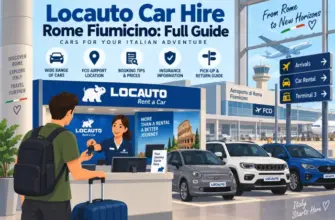
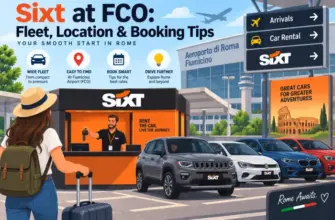

Every rental company’s homepage says roughly the same thing: friendly service, great cars, unbeatable prices. In practice, the differences that matter show up at the counter and in the fine print — how strictly fines get passed through, how flexible late returns actually are, and whether the “great price” survives contact with mandatory extras. This page compares the brands that actually operate at Rome’s airports, based on what genuinely differs between them rather than marketing language that reads nearly identically across every company’s site.
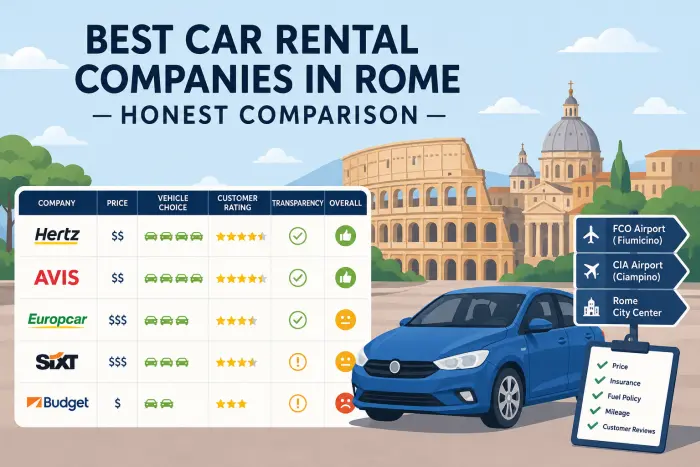
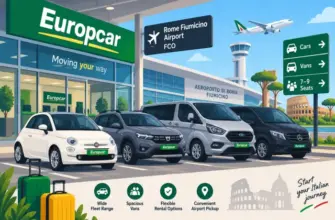
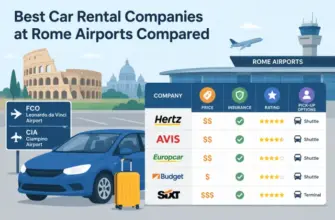
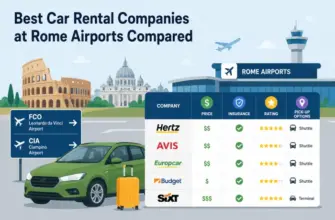
Major international brands operating at Rome’s airports (Fiumicino and Ciampino) include Avis, Hertz, Budget, Europcar, and Drivalia, alongside various local and budget-focused operators. Price differences between brands for the same car category can be substantial — often 30% or more — driven mainly by how each company prices mandatory insurance and extras rather than the base rental rate. Below is a comparison of what actually differs between the major options.
What Actually Differs Between Rental Brands
The base rental rate is rarely where brands differ most. The real gaps show up in three places: how insurance and extras are bundled or upsold, how transparently fines (ZTL, speeding, tolls) get forwarded and billed, and how forgiving the company is about late returns or minor damage disputes. A brand with a slightly higher headline price but clearer policies often works out cheaper and considerably less stressful than the “cheapest” option once every fee is accounted for — and the stress difference matters more than it sounds when you’re navigating an unfamiliar counter process in a second language after a long flight.
| What to compare | Why it matters |
|---|---|
| Total price with mandatory insurance included | Headline price often excludes required coverage |
| Fine-handling transparency | Some companies charge steep admin fees per fine forwarded |
| Late-return grace period | Varies from strict to reasonably flexible |
| Counter location vs. shuttle distance | Affects real pickup time, not just the drive |
| Debit card / no-credit-card policy | Not all brands treat this the same way |
Avis at Fiumicino: What to Know
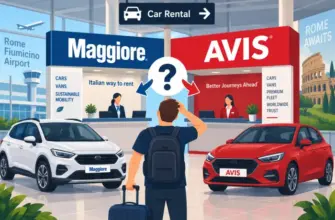
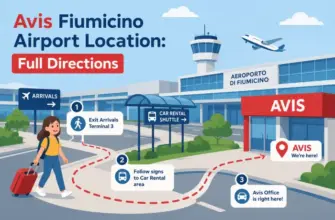
Avis maintains a strong presence at FCO with generally reliable counter service, though pricing sits mid-to-upper range compared to some competitors. Our Avis-specific guide covers exact counter location and terminal logistics, which matters more than it sounds — misjudging the walk or shuttle time to the wrong terminal is a surprisingly common issue that can eat into a tight connection window, especially for travelers with a short layover before continuing onward by train.
Hertz at Fiumicino: What to Know
Hertz operates a substantial fleet at Fiumicino with broad vehicle category availability, useful if you need a specific car type (larger SUV, premium category) that smaller operators might not stock reliably during busy periods. Our Hertz guide covers specifics on their counter process, typical extras pricing, and how their loyalty program discounts compare to booking as a first-time customer.
Drivalia and Budget: The Value-Focused Options
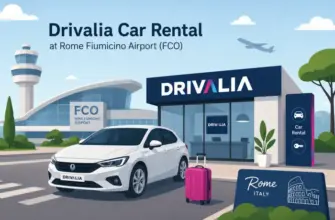
Drivalia and Budget tend to price more aggressively than the largest international names, which can mean genuine savings — but it’s worth double-checking what’s actually included at that price versus what shows up as a mandatory add-on at the counter. Value pricing sometimes shifts cost from the headline rate into extras rather than eliminating it. See our Budget guide for specifics on how their extras are structured; Drivalia follows a broadly similar value-first approach with its own counter procedures worth confirming directly.
Does Renting in the City Center Change Which Brand Makes Sense?
If you’re not flying in and instead picking up a car from central Rome (near Termini station or elsewhere in the city), the brand landscape shifts slightly — smaller local operators become more competitive on price, and the airport-focused surcharges and pricing structures don’t always apply the same way to a city-center pickup. Our city-center rental companies guide covers this scenario specifically, including which brands maintain a genuine city-center presence versus airport-only locations.
Which Companies Have the Safest, Best-Maintained Fleets?
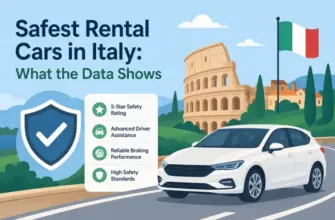
Fleet age and maintenance standards vary more than travelers assume, and it’s a fair question to ask before booking, especially for longer road trips beyond the city. Our safest rental cars guide looks at which companies tend to run newer fleets and what safety features are actually standard versus optional across categories.
Booking Direct vs. Through a Comparison Site
Booking directly with a brand’s own site sometimes unlocks loyalty discounts or more flexible cancellation terms, while comparison and broker sites can surface lower headline prices by aggregating across companies. Neither approach is universally better — the trade-off is usually between price and post-booking flexibility. If your plans are firm and unlikely to change, a comparison site often wins on price. If there’s real uncertainty about your dates or flight, direct booking’s more forgiving cancellation policy can end up saving more than the headline discount from a third-party site.
It’s also worth knowing that the counter experience is identical either way — the rental company doesn’t treat direct and third-party bookings differently once you’re standing at the desk with your confirmation in hand. The difference is entirely in the booking terms, not the pickup process itself.
Fleet Age and Vehicle Condition: What to Actually Expect
Rental fleets in Italy turn over faster than in some markets, meaning even mid-range companies often run relatively recent vehicles — but this isn’t universal, and older or higher-mileage cars do circulate, especially in peak season when companies stretch their fleets further to meet demand. A quick walk-around inspection at pickup, photographing any existing scratches or dents before you drive off, protects you regardless of which brand you’ve chosen, and is worth doing as a habit rather than only when something looks obviously off.
How to Actually Compare Before You Book
Beyond brand reputation, the questions worth asking directly (via chat, email, or phone before booking) are: what’s the total price including mandatory coverage, what’s the deposit requirement for your specific card type — covered in our payment options guide — and how are ZTL or speeding fines handled administratively, which ties directly into our driving rules guide. For the airport pickup process itself, our Rome airport rental guide covers what to expect regardless of which brand you choose, and our pricing and mistakes-to-avoid guide has more on spotting hidden costs before you commit. For the broader picture on renting in Rome generally, see our homepage guide.
Frequently Asked Questions
Is it worth paying more for a well-known international brand over a local company? Not automatically — some local and regional operators offer comparable service with more competitive pricing, but international brands often provide more consistent policies across locations worldwide and easier customer service resolution if something goes wrong internationally well after your trip has ended.
Do all companies at Rome airports offer the same insurance options? No, coverage levels, deductibles, and pricing structures vary meaningfully between companies even for similar-sounding policy names. It’s worth comparing actual deductible amounts, not just whether a policy is labeled “full coverage.”
Can I change rental companies after booking if I find a better price? Generally yes, as long as you cancel within the original company’s free-cancellation window (common with most online bookings) before rebooking elsewhere. Check cancellation terms before assuming this is penalty-free.
Which companies are most flexible about late returns? This varies and can change over time, so it’s worth confirming directly with your specific company at booking rather than relying on general reputation — grace periods reported by other travelers aren’t a guarantee of your own experience.
Do smaller companies have worse customer service than major brands? Not necessarily — company size doesn’t reliably predict service quality. Reading recent reviews for the specific airport location (not just the brand overall) tends to be more useful than brand size alone, since service quality can vary noticeably between the same brand’s different counters or terminals.
The “best” rental company in Rome depends more on what matters to your specific trip — total price with insurance included, fine-handling policy, or fleet selection — than any single brand being universally better. Compare on the specifics above rather than name recognition alone, and the counter experience tends to go a lot more smoothly, with far fewer surprises waiting for you when you finally get behind the wheel and drive out of the rental lot.